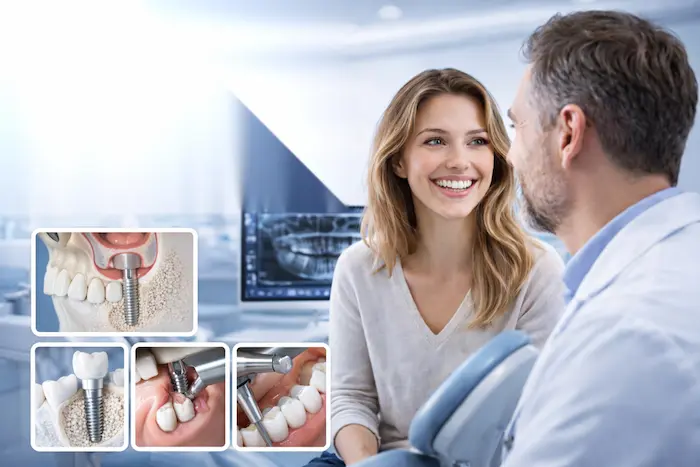
Contrary to common belief, oral and maxillofacial surgery is not limited solely to tooth extractions. This discipline forms the invisible foundation of dentistry, ensuring the long-term harmony and health of all oral structures, including the teeth, gingival tissues, and jawbone.
Within an institutional healthcare approach, surgical intervention is performed not merely to resolve an existing problem, but to create a stable biological foundation that allows patients to eat comfortably, speak naturally, and undergo future aesthetic or restorative treatments — such as implants or prosthetic rehabilitations — with long-term success.
Drawing upon our clinical experience since 2003, we firmly believe that successful oral surgery is not simply the removal of a tooth, but the preservation and protection of healthy surrounding tissues for the future.
Why Is Surgical Intervention Necessary?
Many patients naturally feel anxious when they hear the word “surgery”; however, modern oral surgical procedures represent one of the safest and most effective ways of preserving long-term oral health. Preventing impacted teeth from damaging adjacent teeth, removing cysts silently expanding within the jawbone, or strengthening the bone structure prior to implant placement are among the primary responsibilities of oral surgery.
As consistently emphasised by major healthcare institutions and specialists worldwide, delaying treatment of infected or compromised areas within the mouth may eventually result in the loss of otherwise healthy teeth or irreversible resorption of the jawbone.
For this reason, within our clinical philosophy, surgery is not regarded as a “last resort”, but rather as a preventive and protective approach aimed at preserving a healthy, stable, and functional oral environment for the future.
Patient Comfort and Contemporary Approaches in Modern Dental Surgery
Unlike the surgical methods used in previous decades, modern dental surgery is now based on highly precise and minimally invasive soft tissue techniques. Concerns such as pain, swelling, and postoperative discomfort — once among the greatest fears for patients — have been significantly reduced through advanced anaesthetic protocols and digitally guided treatment planning.
Even procedures traditionally considered “complex” or “difficult” can now often be completed within remarkably short periods following detailed digital simulation and preoperative planning designed to minimise trauma to surrounding tissues.
Within our clinical philosophy, success in surgery is not measured by the speed of the operation itself, but by how comfortably and rapidly the patient is able to return to normal daily life following treatment.
Preservation of Healthy Tooth Structure and Comprehensive Treatment Planning
Every surgical procedure performed within our clinic is planned as the foundation for the next stage of treatment. When tooth extraction becomes unavoidable, the procedure must be carried out using bone-preserving techniques designed to protect the surrounding anatomical structures. This is particularly important when future implant treatment is anticipated, as adequate bone volume in the extraction site is essential for long-term implant success.
Minimising trauma to the bone during extraction not only preserves the integrity of the area, but also supports faster and more predictable healing. Similarly, during cyst removal procedures, our approach extends beyond simply eliminating the pathological tissue. We also utilise regenerative techniques aimed at stimulating the body’s natural bone healing processes and encouraging healthy bone formation within the surgical site.
Through this comprehensive philosophy, we do not merely resolve the patient’s immediate discomfort; we simultaneously create a stable biological foundation capable of supporting future restorative and functional treatments for many years to come.
A Multidisciplinary Approach in Oral and Maxillofacial Surgery
Within an institutional clinical structure, oral and maxillofacial surgery functions as the central foundation connecting all other dental disciplines. Continuous collaboration between departments is essential for achieving predictable and long-term treatment success.
For example, the evaluation and management of impacted teeth prior to orthodontic treatment, gingival contour correction before smile design procedures, or bone augmentation prior to implant placement all require advanced surgical expertise and precise interdisciplinary coordination.
Through this integrated approach, patients receive far more than a temporary solution. Instead, they benefit from a comprehensive treatment philosophy that addresses oral health as a whole — combining functional rehabilitation, biological stability, and aesthetic harmony within a single coordinated care process.
Our goal is not merely for patients to leave the clinic free from discomfort, but to provide them with a healthy and durable foundation that allows them to smile confidently for many years to come.

Wisdom Teeth and Impacted Tooth Surgery
Wisdom teeth, commonly referred to as “third molars”, are the last group of teeth to erupt within the oral cavity. Typically emerging between the ages of 17 and 25, these teeth often fail to find sufficient space due to the reduced jaw dimensions seen in modern human anatomy. As a result, they may remain completely trapped beneath the gingival tissues and bone — a condition known as impaction — or partially erupt, creating a chronic source of infection and inflammation.
Within an institutional clinical approach, intervention for wisdom teeth is performed not merely to relieve pain, but as part of a strategic treatment plan aimed at protecting the alignment of neighbouring healthy teeth, preserving jaw function, and maintaining the long-term health of the temporomandibular joint.
The Impact of Impacted Teeth on Jaw Structure and Adjacent Teeth
According to international dental standards and our extensive clinical experience, fully or partially impacted wisdom teeth may function as a “silent time bomb” within the oral environment. A tooth unable to erupt into its proper position can exert continuous pressure on neighbouring healthy teeth, potentially leading to root resorption, crowding, and disturbances in dental alignment.
Even more critically, partially impacted wisdom teeth often create deep gingival pockets in which food debris and bacteria accumulate beyond the reach of normal brushing. This may result in painful inflammatory infections known as pericoronitis, frequently accompanied by swelling, discomfort, and persistent oral malodour.
If left untreated for extended periods, impacted teeth may also contribute to the formation of jaw cysts capable of causing progressive damage to the surrounding bone structure. For this reason, even in the absence of symptoms, regular professional monitoring of impacted wisdom teeth is considered clinically essential.
When Should Intervention Be Considered? Is a “Wait and See” Approach Risky?
One of the most common questions we receive from patients is: “If I have no pain, why should the tooth be removed?” From our institutional and medical perspective, waiting for symptoms to appear may often allow greater damage to occur — including bone loss within the jaw and harm to adjacent healthy teeth.
This is particularly important in patients undergoing orthodontic treatment or planning aesthetic smile rehabilitation, as the pressure created by impacted wisdom teeth may compromise the stability and long-term success of these treatments.
Using advanced digital imaging and three-dimensional tomography systems, we are able to analyse the precise relationship between the impacted tooth, the surrounding jawbone, and the inferior alveolar nerve with millimetric accuracy. When these evaluations indicate a significant likelihood of future complications, early intervention — especially at younger ages when healing capacity is substantially greater — is considered the most appropriate clinical approach.
Impacted Tooth Surgery with Precision Surgical Techniques
Impacted tooth surgery is no longer considered a frightening procedure thanks to the development of advanced precision-based soft tissue surgical techniques. Modern anaesthetic protocols ensure that patients remain completely comfortable throughout the operation without experiencing pain during the procedure.
Our surgical philosophy is centred on preserving the surrounding bone and gingival tissues by minimising trauma as much as possible during tooth removal. Depending on the position and anatomy of the impacted tooth, techniques such as sectioning the tooth into smaller segments may be employed to avoid unnecessary removal of jawbone and to preserve healthy surrounding structures.
This meticulous and tissue-preserving approach significantly reduces postoperative complications such as swelling, bruising, and discomfort — concerns that patients traditionally fear most following impacted tooth surgery.
Postoperative Recovery and Important Aftercare Considerations
The first few days following impacted tooth surgery are critically important for the body’s natural healing and tissue regeneration processes. Through detailed postoperative care instructions and carefully planned supportive medication protocols, we help our patients recover as comfortably and efficiently as possible. Within our surgical protocols, additional biologically supportive healing approaches may also be incorporated to encourage rapid soft tissue closure and healthy bone regeneration within the surgical site. Our objective is not merely to eliminate a problematic tooth, but to ensure that the surrounding jawbone heals properly and that the overall integrity of the oral structures is preserved. Drawing upon our experience since 2003, we firmly believe that every impacted tooth treated at the right time and with the correct surgical technique serves as one of the most effective preventive measures against far more serious oral and maxillofacial complications in the future.
Jaw Cysts and Treatment Approaches: Preserving Bone Health
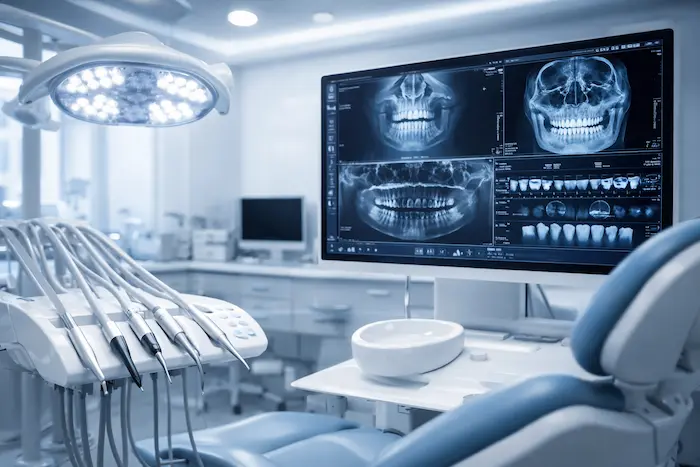
Jaw cysts are pathological cavities that develop within the jawbone or surrounding oral soft tissues, typically filled with fluid and enclosed by a distinct tissue lining. In many cases, these lesions progress silently without causing pain or noticeable symptoms, and are therefore often discovered incidentally during routine dental examinations or panoramic radiographic imaging.
Within an institutional clinical approach, the treatment of jaw cysts involves far more than simply removing the lesion itself. The primary objective is to eliminate the cystic pathology while simultaneously preserving the vitality of surrounding teeth and supporting the regeneration of healthy bone within the affected area.
Drawing upon our clinical experience since 2003, we recognise that early diagnosis and intervention using the correct surgical techniques are essential for maintaining the structural integrity and long-term health of the jawbone.
The Causes and Clinical Presentation of Jaw Cysts
The causes of jaw cyst formation are varied and may arise from several different pathological processes. The most commonly encountered cysts originate from chronic infections developing around the roots of untreated deep dental decay. Cystic formations may also occur in association with impacted teeth that fail to erupt properly into the oral cavity.
Because jaw cysts are often painless during their early stages, they may remain unnoticed by patients for long periods. However, as they enlarge, they can lead to swelling of the jawbone, loosening of adjacent teeth, sensory disturbances such as numbness, or the development of inflammatory discharge and infection.
Research published by major academic institutions has demonstrated that untreated cysts may progressively resorb and weaken the jawbone from within, significantly increasing the risk of pathological fractures even after minor trauma. For this reason, our fundamental clinical principle in cyst management is early intervention before further bone destruction occurs.
Surgical Techniques Used in Jaw Cyst Management
Today, jaw cyst surgery can be performed with remarkable precision thanks to advanced soft tissue surgical techniques that minimise trauma to surrounding anatomical structures. The primary objective during the procedure is to remove the cystic lining in its entirety while thoroughly eliminating the underlying source of infection.
In cases where the roots of adjacent teeth extend into the cystic cavity, our approach focuses on preserving the natural teeth whenever possible. Rather than extracting the tooth, a procedure known as apical resection (apicoectomy) may be performed, removing only the diseased root tip while maintaining the tooth within the oral environment.
Using advanced digital imaging systems, we are able to define the exact boundaries of the cyst with millimetric precision. This allows surgery to be completed while preserving the maximum amount of healthy surrounding bone tissue. Such meticulous surgical planning and execution directly enhance postoperative comfort and contribute to faster, more predictable healing outcomes.
Bone Regeneration Following Jaw Cyst Removal Procedures
The success of jaw cyst surgery is determined not only by complete removal of the cyst itself, but also by how effectively the residual cavity is managed afterwards. In smaller defects, the body is often capable of naturally regenerating bone tissue through the formation and maturation of a healthy blood clot within the surgical site.
However, when larger cysts have caused significant weakening or loss of jawbone structure, advanced regenerative techniques may become necessary. In such cases, the cavity can be supported using biologically active healing concentrates derived from the patient’s own blood, as well as bone grafting materials designed to stimulate and guide new bone formation.
These regenerative procedures not only help restore the original strength and volume of the jawbone, but also prevent aesthetic deformities or tissue collapse within the affected area. Our ultimate objective following cyst surgery is to ensure that the treated region heals into a healthy, stable, and structurally sound condition — as though the cystic lesion had never existed.
Post-Treatment Follow-Up and Long-Term Oral Health Management
Jaw cyst treatment does not conclude once the surgical procedure has been completed. Within an institutional clinical framework, the healing and bone regeneration process of the treated area is carefully monitored through periodic follow-up examinations and radiographic assessments.
Depending on the specific type and biological behaviour of the cyst, we establish a personalised long-term monitoring schedule to minimise the risk of recurrence and to ensure continued stability of the jaw structures. Throughout every stage of treatment, we prioritise clear, transparent, and reassuring communication in order to reduce patient anxiety and maintain confidence in the treatment process.
Our objective is not simply to remove the cystic lesion, but to safeguard the patient’s long-term jaw health and structural integrity for life. Through the precision of our experienced surgical team and the support of advanced technological infrastructure, we are able to achieve highly successful outcomes even in complex cyst cases, enabling our patients to smile with confidence once again.
Sinus Lifting and Bone Grafting: Essential Preparation Before Implant Treatment
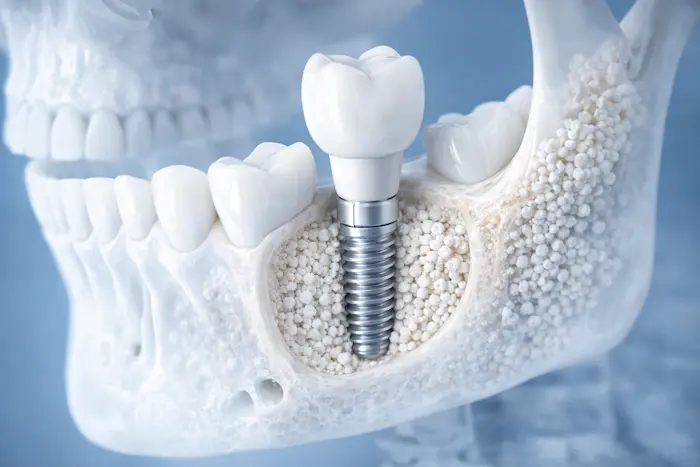
Implant treatment is considered one of the most successful modern solutions for replacing missing teeth; however, its long-term success depends fundamentally on the presence of sufficient jawbone volume and density capable of supporting the implant structure. In cases of long-standing tooth loss or advanced periodontal disease, the jawbone may gradually undergo resorption over time.
This situation is particularly common in the posterior region of the upper jaw, where the maxillary sinus — an air-filled anatomical cavity — may expand downward following tooth loss, leaving insufficient vertical bone height for implant placement. Within an institutional clinical approach, this condition is not regarded as a limitation, but rather as a preparatory surgical phase.
Through procedures such as sinus lifting (sinus augmentation) and bone grafting, the strong biological foundation required for safe and predictable implant placement can be reconstructed and restored.
Sinus Lifting: Advanced Solutions for Insufficient Bone Volume in the Upper Jaw
In the upper jaw, the maxillary sinus cavities located directly above the posterior teeth tend to expand downward following tooth loss as the surrounding bone gradually resorbs. This process may reduce the available bone height required for implant stability to as little as 1–2 millimetres.
Sinus lifting surgery is a procedure in which the lowered sinus membrane is carefully elevated, and the newly created space beneath it is filled with bone-regenerating materials to restore adequate bone volume for implant placement. As recognised by leading medical authorities, this technique allows implant treatment to become possible even in cases previously considered unsuitable due to severe bone deficiency.
Using advanced digital planning technologies, we analyse the three-dimensional anatomy of the sinus region with exceptional precision, enabling every procedure to be performed according to the patient’s unique anatomical structure and individual bone characteristics.
Bone Grafting: Increasing Jawbone Volume with Regenerative Bone Augmentation Techniques
Following tooth loss, the surrounding jawbone is gradually perceived by the body as an area no longer required for functional support, leading to progressive bone resorption and loss of volume over time. For an implant to function successfully and remain stable long term, it must be completely surrounded by healthy bone tissue.
When the existing bone is insufficient in thickness or volume, bone grafting procedures become necessary to reconstruct and strengthen the area. The grafting materials used during this process act as a biological scaffold, stimulating surrounding cells and encouraging the body’s natural production of new bone tissue.
The advanced regenerative materials utilised within our clinic are fully biocompatible with human tissues and gradually integrate into the healing process, transforming into living bone structure capable of providing a strong and durable foundation for implant treatment.
Biocompatibility of Grafting Materials and the Physiology of Bone Regeneration
One of the most common concerns patients have during this process is whether the body will successfully accept the grafting material. The regenerative techniques we utilise are designed to mimic the body’s own biological healing mechanisms as closely as possible.
During surgery, biologically enriched concentrates derived from the patient’s own blood — such as PRF (Platelet-Rich Fibrin) — may be incorporated into the treatment process to enhance both the speed and quality of bone regeneration. These biologically active materials support natural tissue healing and optimise the formation of new bone within the grafted area.
Successful bone regeneration requires patience and respect for the body’s physiological healing timeline, as the transformation of grafting materials into mature living bone generally occurs over several months. Drawing upon our experience since 2003, we recognise that the precision and quality of this preparatory phase represent one of the most critical factors determining whether an implant will remain healthy, stable, and functional for decades — and often for a lifetime.
Technical Precision and Success Rates in Advanced Surgical Procedures
Sinus lifting and bone grafting procedures are advanced surgical interventions that require a high level of technical precision and clinical discipline. Within our institutional clinical environment, these operations are performed under the highest standards of sterility and with the guidance of advanced digital imaging technologies.
Our objective extends beyond simply creating enough space for implant placement. We aim to establish a strong, healthy, and biologically stable bone foundation capable of supporting the long-term functional chewing forces that the implant will ultimately bear.
Through transparent communication and a patient-centred approach throughout every stage of treatment, we have had the privilege of restoring confident, functional, and aesthetically pleasing smiles to many patients who previously believed that severe bone deficiency would leave them permanently without teeth.
Post-Surgical Recovery Guide: Important Aftercare Recommendations
The success of a surgical procedure does not end when the operation is completed; it continues through the patient’s attention and care during the healing period. The first 24 to 48 hours following surgery are particularly critical for rapid tissue recovery and stable healing of the surgical site.
The application of cold compresses plays a significant role in controlling postoperative swelling and sensitivity. During this period, patients are advised to avoid excessively hot foods, refrain from placing unnecessary stress on the surgical area, and follow the prescribed medication protocol precisely as instructed. These measures represent the foundation of a smooth and complication-free recovery process.
Thanks to our modern surgical techniques and minimally invasive treatment philosophy, most patients are able to return to their normal social and professional lives within only a few days.
All advanced surgical procedures detailed throughout this guide — including impacted tooth surgery, jaw cyst treatment, sinus lifting, and bone regeneration therapies — are performed meticulously within our clinic by our experienced surgical team. Since 2003, we have remained committed to our philosophy of protecting both the patient and the surrounding biological tissues, continuing to present oral surgery not as a source of fear, but as a long-term investment in health and quality of life.
Frequently Asked Questions
Will I Experience Significant Pain During Surgical Procedures?
Absolutely not. Thanks to advanced modern anaesthetic techniques and highly effective local anaesthesia protocols, patients do not experience pain during surgical procedures.
Any mild postoperative discomfort that may occur afterwards can typically be controlled very effectively with the prescribed pain management medications.
Is Sinus Lifting a Difficult Procedure?
With the support of our experienced surgical team and advanced digital planning technologies, sinus lifting procedures can be performed with a level of comfort comparable to routine dental treatment. For the patient, the overall experience is often no more demanding than undergoing a standard filling or root canal procedure.
My Wisdom Tooth Is Not Causing Pain — Should It Still Be Removed?
The absence of pain does not necessarily indicate that a wisdom tooth is healthy or problem-free. If digital radiographic analysis reveals that the tooth is exerting pressure on adjacent teeth or creating conditions favourable for cyst formation, removal may be medically recommended in order to prevent far more serious complications in the future.
Can Bone Grafting Materials Cause an Allergic Reaction in the Body?
The bone grafting materials we use are biologically compatible and designed to integrate safely with the body’s natural tissues. Over time, these materials gradually become incorporated into your own bone structure, allowing healthy bone regeneration to occur. For this reason, allergic reactions or “rejection” by the body are extraordinarily uncommon when clinically approved biocompatible grafting materials are used appropriately.
How Long Does the Healing Process Take?
Soft tissue healing is generally completed within approximately 7 to 10 days, after which sutures are typically removed. However, in procedures involving bone grafting or sinus lifting, the complete bone regeneration and maturation process depends on the body’s natural biological healing capacity and may take approximately 3 to 6 months.